16827
16827Wiring a ballast resistor is a crucial step to ensure proper voltage regulation and prevent damage to your ignition coil. In this tutorial, we will guide you through the step-by-step process of wiring ballast resistors for optimal performance and safety.
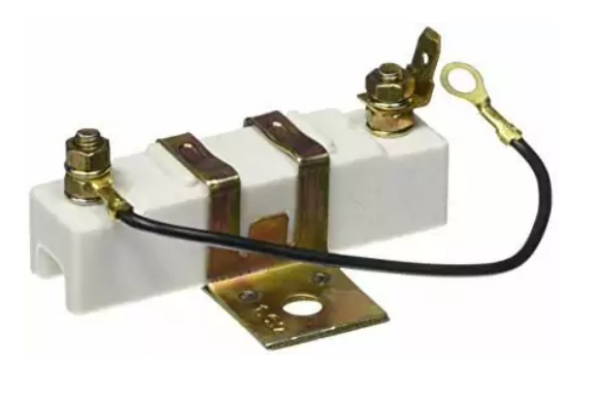
A ballast resistor wire is an electrical component used in automotive ignition systems.
Its primary function is to regulate the voltage supplied to the ignition coil, ensuring optimal performance and preventing damage due to excessive voltage.
When your car is driving, the ballast resistor will limit the voltage applied to the coil. This prevents the coil from overheating.
Wiring a ballast resistor in older vehicles with points ignition systems is crucial to prevent coil damage.
1. Determine if a ballast resistor is needed based on the vehicle's ignition system.
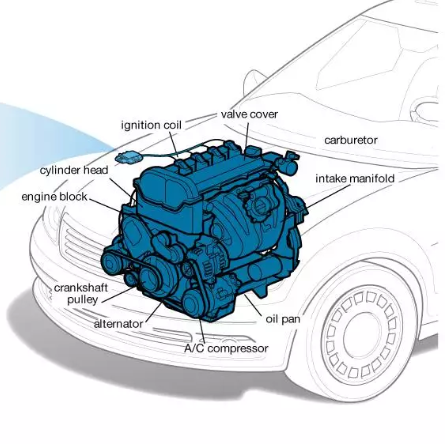
2. Locate a suitable position along the firewall for the resistor.
3. Drill holes for securing the resistor using small clamps.
4. Attach the ballast resistor to the firewall using the clamps.
5. Connect the positive wire from the ignition to the positive end of the resistor.
6. Connect the other terminal of the resistor to the positive terminal of the coil.
7. Install the condenser, located with the ballast resistor on the firewall.
8. Connect the positive wire from the ignition to the condenser terminal.
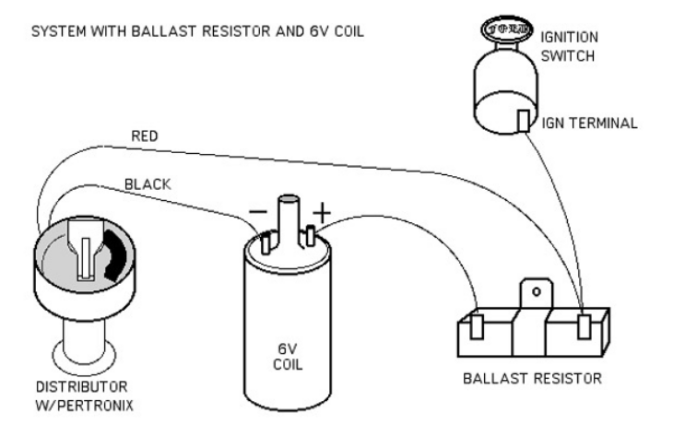
Following these steps will ensure proper installation of the ballast resistor, allowing for smooth ignition system operation in your older vehicle.
The ballast resistor is no longer required in many modern automobiles.
However, in older automobiles with points ignition, this type of spark resistor is still required.
If a ballast resistor is not used or is bypassed, the ignition coil may receive a higher voltage than it can handle. This can lead to overheating, premature failure of the ignition coil, and other electrical system issues.
Here are some faqs about ballast resistors you can refer to.
A ballast resistor is a type of electrical resistor that is designed to limit the current flow in a circuit. This is done by increasing the resistance of the circuit when the current flow exceeds a certain level. Ballast resistors are often used in automotive applications, such as in the ignition system, to protect electrical components from damage.
A ballast resistor works by converting electrical energy into heat energy. When current flows through the resistor, the resistance of the resistor causes the electrons in the wire to collide with the atoms in the wire. This collision produces heat, which increases the temperature of the wire. The increase in temperature also increases the resistance of the wire. This feedback loop continues until the current flow reaches a steady state.
There are several benefits to using a ballast resistor, including:
Ballast resistors are used in a variety of applications, including:
When choosing a ballast resistor, it is important to consider the following factors:
Installing a ballast resistor is a relatively simple process. The following steps should be followed:
If you are experiencing problems with a ballast resistor, there are a few things that you can do to troubleshoot the problem:
If you are still having problems with the ballast resistor, you should replace it with a new one.
In conclusion, wiring a ballast resistor is a straightforward process that involves connecting it between the ignition switch and the ignition coil. Following the proper steps and using a ballast resistor is essential to maintain the performance and longevity of the ignition system.

Disclaimer: The views and opinions expressed by individual authors or forum participants on this website do not represent the views and opinions of Chipsmall, nor do they represent Chipsmall's official policy.

share this blog to:


Chipsmall will provide you real-time product updates, limited-time deals.


Copyright © 2004-2026 Chipsmall.com All Rights Reserved.

Feedback
We appreciate your engagement with Chipsmall's products and services. Your opinion matters to us! Kindly take a moment to complete the form below. Your valuable feedback ensures that we consistently deliver the exceptional service you deserve. Thank you for being part of our journey towards excellence.