381
381When it comes to creating a comfortable indoor environment, the HVAC system is crucial. Whether you are choosing a system for your home, office, or factory, choosing the right one will ensure excellent performance, power saving, and thoughtfulness, specifically addressing your various needs.
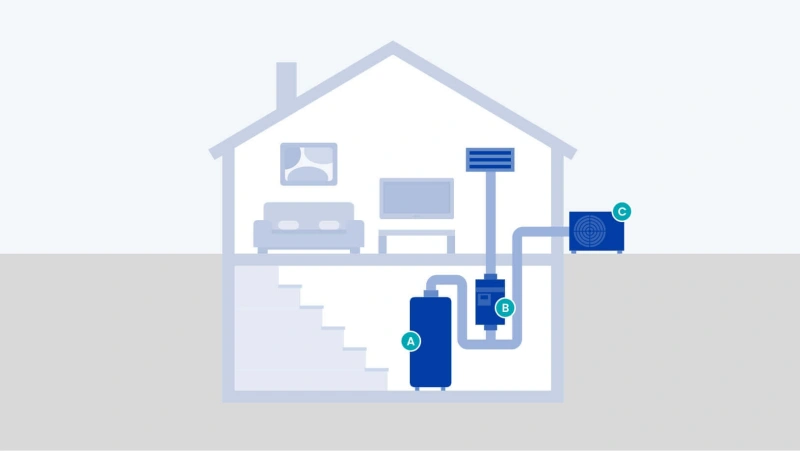
Image Source:Aprilaire
In this guide, let's talk about the various types of HVAC systems, see their unique features, and help you find the most suitable one for you.
The basic components in the HVAC system, working together, can help you regulate temperature, humidity, and air quality. Come on, let's take a look at what these key components are:
This is the command center of the system. Once you set the temperature, it is responsible for turning on and off the HVAC system to maintain the indoor temperature just right.
Stove: heats up by burning gas, oil, or electricity.
Heat pump: It can move the heat inside and outside the house, heating in winter and cooling in summer.
Suck out the heat inside the room and exhaust it outside, and the room will become cool.
Evaporator coil
This can be cooled by blowing air through a coil filled with refrigerant inside an air processor or stove.
In the outdoor unit, dissipate the heat absorbed from the room into the outdoor air.
A chemical substance that circulates between the evaporator coil and the condenser coil, helping us transfer heat.
A series of air ducts deliver temperature adjusted air to every corner of the room, and then send unadjusted air back into the system.
The air outlet is responsible for delivering heated or cooled air into the room, while the return air outlet allows the air to return to the HVAC system.
Work together with a stove or heat pump to circulate air in the system.
It can block dirt such as dust and pollen, improve indoor air quality, and protect components in the system.
Safely discharge the combustion gases generated by the stove and other equipment outside the room.
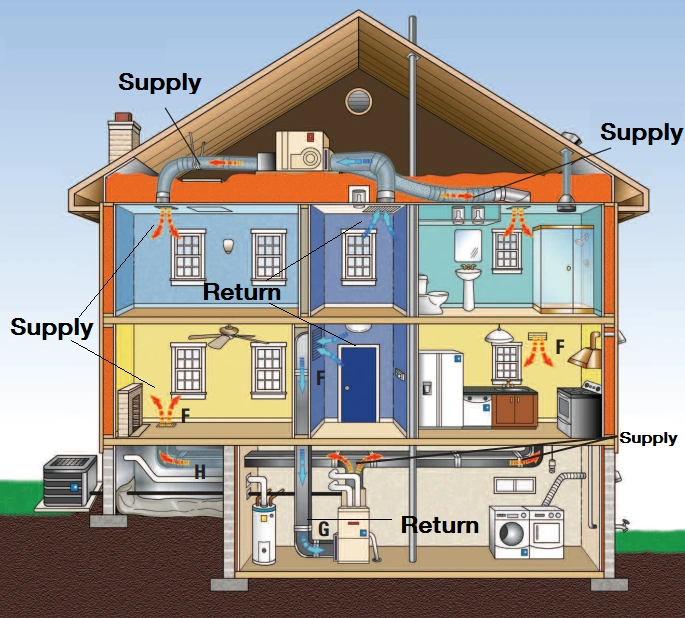
Image Source:Energy Education
Speaking of air conditioning and HVAC systems, they are truly versatile players who play a significant role in making our indoor lives comfortable, healthy, and cost-effective. Let's take a look at its abilities:
warm oneself
In winter, it uses techniques such as stoves or heat pumps to bring warmth to the house and keep people warm.
refrigeration
In the hot summer, it relies on air conditioning to cool down the house, making it feel chilly and comfortable to stay there.
Ventilation
It can also provide fresh air inside the house, driving out any stuffiness, making the air fresher and reducing pollutants.
Moisture control
Too much or too little moisture in the air is not enough, it can help adjust the moisture just right, making people live comfortably and healthily.
Purifying the air
Dust, allergens and other dirty things can be filtered out, and the air in the room will be clean, which is good for the body.
Power saving
It can also make the system work smarter, use less electricity, save money, and the indoor conditions are equally good.
By combining these skills, we can make our indoor environment comfortable and healthy without spending too much money.
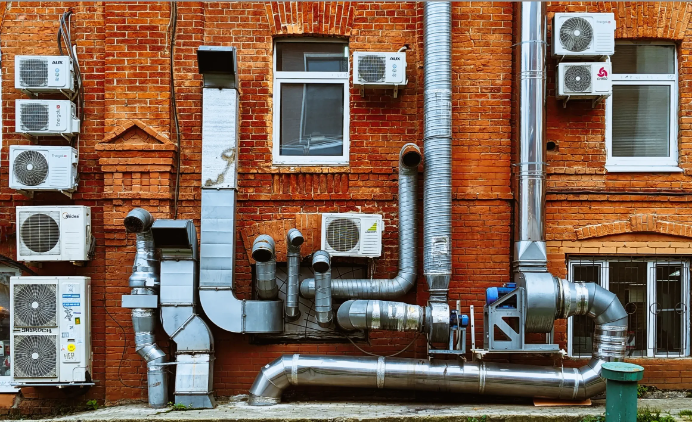
Image Source:B&L Ott
Nowadays, there are many different types of HVAC systems that can meet various needs, whether it is for home use, commercial use, or industrial use, suitable ones can be found. Let's talk about the general classification of these systems below:
This is the most common type, which separates cooling and heating. There is a refrigeration unit outdoors, which includes a compressor and a condenser; Indoors, there is a heating unit, often a stove or air processor. It is most suitable for use at home or in small shops.
This is amazing, it puts all the cooling and heating equipment into one outdoor unit. There is also a fan inside, which can be heated using electricity, gas, or both. It's quite convenient to use in small spaces at home or in small shops.
This is an upgraded version of the split system, more energy-efficient, with both a heat pump and a furnace inside. When it gets cold in winter, use the electric heating of a heat pump, and when it gets colder, use the gas or oil heating of a stove. This is most suitable for places with large seasonal temperature differences.
This is flexible and doesn't require laying pipes. Install one or more air supply units on the indoor wall or ceiling of an outdoor unit. This is great for renovating an old house, controlling the temperature of each room separately, or for areas where it is inconvenient to lay pipes.
This is a high-end product that can simultaneously cool and heat different areas. An outdoor unit is connected to multiple indoor units, and the compressor can also be variable speed. This is most suitable for large hotels, shopping malls, or places with different temperature requirements.
This is for grand occasions, and the entire building or complex relies on it. Heating, cooling, and air supply are all available, and a pile of pipes and air vents need to be laid. Large residential areas, commercial buildings, schools and other places are common.
Environmentally friendly, using stable underground temperature for cooling and heating. A ground source heat pump is connected to an underground circulation system. For homeowners with strong environmental awareness or shops that want to save money in the long run, this is great.
Simply put, it's either heating or cooling, you can't have it both ways. For example, space heaters, radiators, window air conditioners, and so on. Temporary or supplementary use, quite convenient.
Customized, capable of independently controlling temperature in different areas. Dampers and multiple temperature controllers need to be installed in the pipeline. The temperature requirements for different rooms at home may vary, so using this one is quite good.
Evaporative cooler (commonly known as "water air conditioner")
Evaporate water to cool down. A fan, some water soaked mats, and a water pump are all activated. This is quite effective in dry and hot places like deserts.
Heating is the main method, using boilers to supply hot water or steam through radiators or baseboard heaters. It is quite common to use this in old houses or places where radiation heating is preferred.
The refrigeration system used for large-scale use uses cold water to cool down. One refrigeration unit, one cooling tower, plus a bunch of pipes and air supply equipment. It is common in large shopping malls or factories.
A modular system that can handle both heating and cooling, installed on the roof. All heating, cooling, and air supply components are in one unit. Commercial buildings often use this to save space.
Compact and lightweight, can be placed wherever you want, suitable for specific areas or rooms. Portable air conditioner or heater, quite convenient. For temporary use or small spaces without a permanent system installed, this is quite good.
Directly heat the floor or wall, using either an electric or water circulation system. The heating element is buried in the floor or wall and connected to a boiler or electric heater. It is quite common to use this at home or in places that require quiet and even heating.
Here is a detailed list of some of the best manufacturers for each type of HVAC system, highlighting their expertise and reputation:
Carrier: A pioneer in modern air conditioning, offering durable and energy-efficient split systems.
Trane: Known for robust, high-performance units with advanced controls.
Rheem: Provides affordable and reliable split systems for residential and light commercial use.
Lennox: Focuses on energy-efficient and quiet split systems with sleek designs.
York: Produces compact, reliable packaged systems for homes and small businesses.
Goodman: Offers cost-effective, durable systems with excellent warranties.
Lennox: Features high-efficiency packaged systems with advanced filtration options.
Bryant: Well-suited for both residential and light commercial applications.
American Standard: Delivers energy-efficient hybrid systems with a strong focus on durability.
Bryant: Known for flexible and reliable hybrid systems.
Daikin: Offers technologically advanced and eco-friendly hybrid options.
Rheem: Combines affordability with high performance in hybrid systems.
Mitsubishi Electric: A global leader in ductless systems, offering reliable and efficient solutions.
Fujitsu: Known for sleek designs and high energy efficiency.
LG: Provides modern, stylish systems with advanced smart controls.
Daikin: Offers quiet, high-performing mini-splits with excellent warranties.
Daikin: A global leader in VRF technology, providing cutting-edge systems with superior energy efficiency.
Mitsubishi Electric: Known for innovative and flexible VRF solutions.
Hitachi: Produces durable VRF systems designed for large-scale applications.
LG: Offers smart-controlled, cost-effective VRF systems.
Carrier: Renowned for large-scale systems with superior reliability and performance.
Trane: Offers powerful central HVAC solutions with advanced air filtration.
Lennox: Specializes in energy-efficient systems designed for large buildings.
Daikin: Provides versatile and highly customizable central systems.
WaterFurnace: A leading brand for eco-friendly geothermal systems.
Bosch: Offers reliable and high-performing geothermal heat pumps.
ClimateMaster: Focuses on long-lasting, energy-efficient geothermal solutions.
Trane: Integrates advanced controls with geothermal technology.
Honeywell: Known for space heaters and fans with safety and energy-saving features.
Frigidaire: Produces effective window and portable air conditioners.
Amana: Offers reliable heating and cooling units at a reasonable cost.
Honeywell: Specializes in smart thermostats and zoning systems.
Aprilaire: Known for high-quality zoning dampers and control systems.
Nest (Google): Provides innovative smart zoning solutions for energy savings.
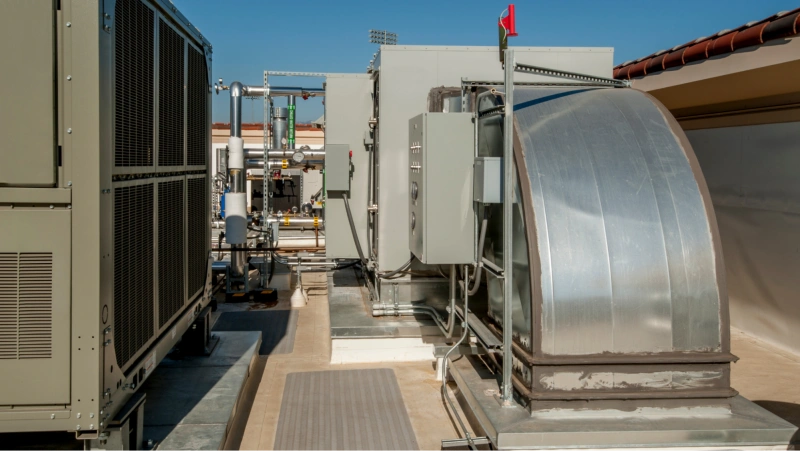
Image Source:Compressors Unlimited
1. Building Size and Layout: Match the system to the building’s size, number of zones, and floors.
2. Purpose: Choose systems tailored for residential, commercial, or industrial use.
3. Climate: Prioritize heating or cooling efficiency based on local weather conditions.
4. Energy Efficiency: Opt for high SEER ratings or energy-efficient technologies to reduce costs.
5. Budget: Balance upfront installation costs with long-term operational expenses.
6. Existing Infrastructure: Use ducted systems if ducts are in place or ductless options if not.
7. Air Quality: Ensure the system includes adequate ventilation and filtration.
8. Maintenance Needs: Select durable systems with low maintenance requirements.
Understanding the various types of HVAC systems helps you find the perfect solution for your comfort, efficiency, and budget needs. With the right choice, you can create an optimal indoor environment for any application.

Disclaimer: The views and opinions expressed by individual authors or forum participants on this website do not represent the views and opinions of Chipsmall, nor do they represent Chipsmall's official policy.

share this blog to:


Chipsmall will provide you real-time product updates, limited-time deals.


Copyright © 2004-2026 Chipsmall.com All Rights Reserved.

Feedback
We appreciate your engagement with Chipsmall's products and services. Your opinion matters to us! Kindly take a moment to complete the form below. Your valuable feedback ensures that we consistently deliver the exceptional service you deserve. Thank you for being part of our journey towards excellence.