1150
1150Why do we need a dimmer switch? A dimmer allows you to adjust the output level of the load light, so you can get the perfect lighting atmosphere and lighting level in any space.
At present, non-energy-saving lighting dimming mainly uses TRIAC dimmers (three-terminal bidirectional thyristor) for dimming, and TRIAC dimmers are also the most widely used dimmers.
Let's explore the workings of TRIAC dimmer switches, their advantages, available types, and the wide range of applications they serve.
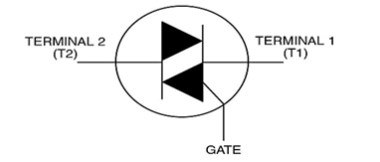
A TRIAC is a tiny semiconductor device that functions similarly to a diode or transistor. A triac, like a transistor, consists of many layers of semiconductor material. This comprises N-type material, which has numerous free electrons, as well as P-type material, which has many "holes" through which free electrons can pass.
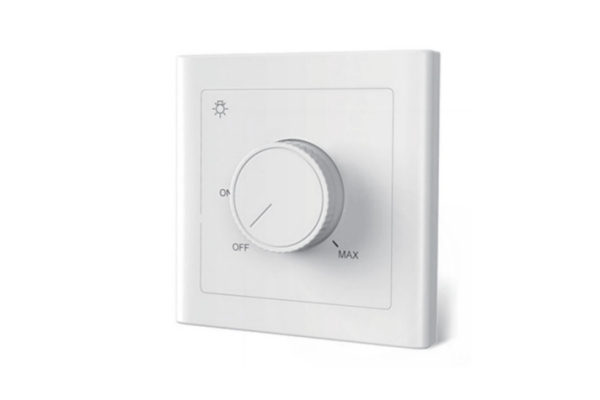
A TRIAC dimmer switch is a type of dimmer switch that uses TRIAC (Triode for Alternating Current) technology to control the brightness of a light bulb.
TRIAC dimmers offer a convenient way to control lighting systems with an easily adjustable dial. It is a common type of dimmer switch used in residential and commercial settings.
DC (Direct Current) is a single consistent rate of direct current. Therefore, DC dimming is as simple as connecting a light bulb to a variable power source that can limit the current. In contrast, AC (alternating current) flows in a sinusoidal wave form, from positive to negative. Using a DC dimmer on an AC device will reduce positive current, but cannot handle negative current.
Therefore, specialized circuits such as TRIAC are required for dimming AC devices. TRIAC dimmers use thyristors to allow AC current to flow in both the negative and positive directions. To maximize AC dimming efficiency, a TRIAC dimmer must be used.
Unlike traditional on/off switches, which simply open or close the circuit, TRIAC dimmers can vary the intensity of the light by adjusting the amount of AC current that passes through the lamp.
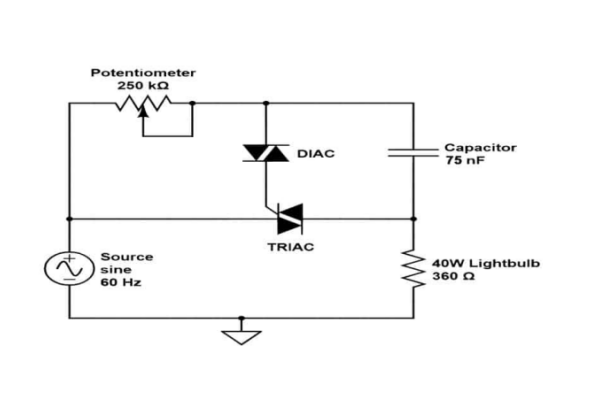
TRIAC dimmer switches regulate the brightness of light bulbs by generating pulses of AC current through the use of thyristors, capacitors, and potentiometers.
The thyristor acts as a gatekeeper, allowing current flow only when the gate is triggered. Capacitors store and release electrical energy to control the gate triggering, while potentiometers adjust the timing of the gate trigger. By controlling the duration of the pulses, TRIAC dimmers can effectively control the brightness of the lights.
Smooth Dimming: Provides smooth and continuous adjustment of light levels.
Compatibility: Suitable for use with resistive loads (incandescent, halogen) and some dimmable LEDs.
Silent Operation: Typically operates silently without the hum associated with some older dimmer technologies.
Energy Savings: Can reduce energy consumption by lowering light output when full brightness is not needed.
TRIAC dimmer switches come in various types to suit different needs, from basic single pole switches to advanced multi-location and smart switches.
Single Pole Switches:
3-Way/4-Way Switches:
Multi-Location Switches:
Plug-in Switches:
Smart Switches:
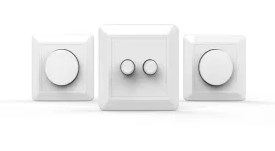
TRIAC circuits are widely used, and very common in AC power control applications. TRIAC dimmer switch offers a convenient lighting control experience for various home appliances.
Residential lighting control for incandescent, halogen, and dimmable LED bulbs. (Not all LED lights work with Triac dimmers. Make sure the LED bulbs are branded as dimmable and compatible with leading-edge or trailing-edge dimmers.
Commercial and office spaces to create desired lighting atmospheres.
Hospitality industry for enhanced guest experiences.
Theatrical and entertainment lighting for dynamic effects.
Outdoor lighting installations for safety and aesthetics.
Exhibition and art display lighting to highlight artwork.
Industrial facilities for customizable lighting conditions.
When it comes to consumer-grade dimming solutions for LED lighting, there are several options available, including TRIAC, PWM, and 0-10V dimming.
TRIAC dimming: an analog method that cuts off current to the electrical device. It breaks the AC signal into chunks, allowing only small bits of current to flow to the light bulb. TRIAC dimming is limited to AC power supply compatibility and doesn't require computer software for control.
PWM dimming: a digital method that rapidly turns the power supply on and off. This results in less current flow to the device, creating the illusion of dim light. PWM dimming is commonly used in computer hardware, such as PC fans and RGB LED lighting.
0-10V dimming: an analog method where a dimmer switch sends out electrical signals between zero and ten volts. The receiving LED driver adjusts the brightness based on the provided voltage, with 0V representing minimum brightness and 10V representing maximum. This dimming method is compatible with LED lights that work with DC power supplies.
Each of these dimming solutions has its advantages and considerations, and the choice depends on the specific requirements and compatibility of the LED lighting system.
|
|
TRIAC |
PWM |
0-10v |
|
Dimming Technology |
Analog |
Digital |
Analog |
|
Input |
AC |
DC |
DC |
|
Light Voltage Support |
High |
Low |
Low |
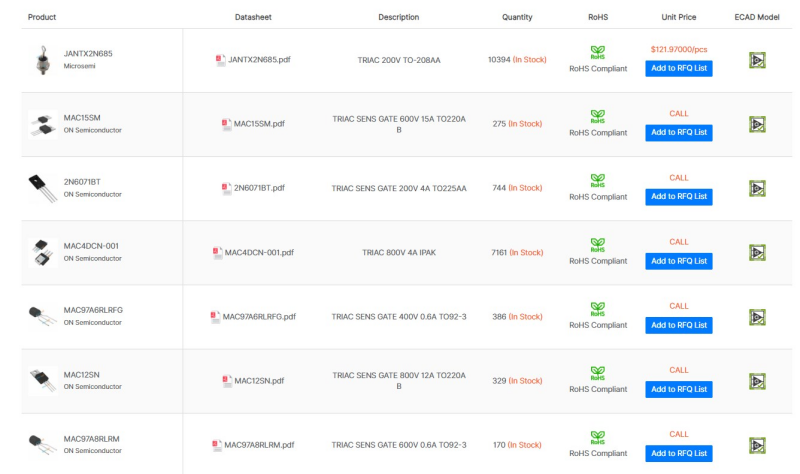
If you need to purchase these useful triac dimmer switches, consider Chipsmall to ensure you select high-quality and suitable products for your project. You can filter the different manufacturers and see more details on the pages. Add it to the RFQ list, and our sales team will reply to you within 24 hours.
Chipsmall Limited consists of a professional team with an average of over 20 years of expertise in the distribution of electronic components. Main products comprise ICs, resistors, capacitors, modules, potentiometers, IC sockets, relays, connectors and so on.
TRIAC dimmer switch provide a good way to control the brightness of light bulbs. TRIAC circuits not only improve the convenience of our lives, but also play an important role in energy conservation and emission reduction. They help you regulate light intensity, and the range of available types and easy installation, make them a popular choice in the lighting industry. I hope this passage can help you pick a suitable one for your home.

Disclaimer: The views and opinions expressed by individual authors or forum participants on this website do not represent the views and opinions of Chipsmall, nor do they represent Chipsmall's official policy.

share this blog to:


Chipsmall will provide you real-time product updates, limited-time deals.


Copyright © 2004-2026 Chipsmall.com All Rights Reserved.

Feedback
We appreciate your engagement with Chipsmall's products and services. Your opinion matters to us! Kindly take a moment to complete the form below. Your valuable feedback ensures that we consistently deliver the exceptional service you deserve. Thank you for being part of our journey towards excellence.