1007
1007A proximity sensor is an electronic device that detects nearby objects without physical contact. It works by emitting electromagnetic fields, infrared light, or ultrasonic waves to measure distance. These sensors are essential components in smartphones (for screen dimming during calls), automotive systems (parking assistance), industrial automation (object detection), and smart home devices. They come in various types including inductive, capacitive, optical, and ultrasonic sensors, each suited for different applications. Proximity sensors improve efficiency, safety, and user experience by enabling touchless interactions and automatic detection in numerous electronic and mechanical systems.
Proximity sensors have diverse applications across industries:
Consumer Electronics: Smartphones use them to disable touchscreens during calls
Automotive: Enable parking sensors and collision avoidance systems
Industrial Automation: Detect object presence in assembly lines and robotic systems
Retail: Power automatic doors and inventory management systems
Home Automation: Used in smart lighting and touchless faucets
Healthcare: Implemented in medical equipment for precise positioning
Their non-contact operation makes them ideal for harsh environments where physical switches would fail, while their reliability supports critical safety functions in vehicles and industrial machinery.
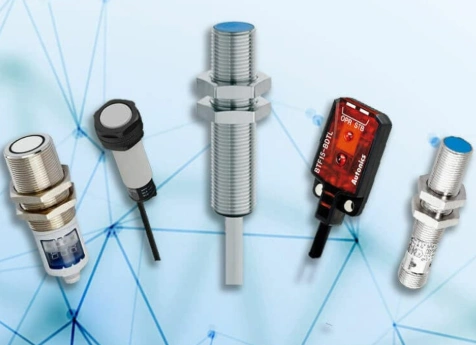
Proximity sensor failures can occur due to multiple factors:
Dust, dirt, oil, and moisture accumulation on the sensor surface is the leading cause of failure. Industrial environments particularly suffer from this issue, where metal shavings or chemical deposits can completely block sensor operation. Even in consumer devices, accumulated grime or improperly applied screen protectors can interfere with infrared sensors.
Power problems frequently damage sensors:
Voltage spikes or power surges can fry sensitive components
Improper wiring connections lead to intermittent operation
Grounding issues cause erratic behavior
Capacitor degradation in older sensors reduces performance
Physical impacts can crack sensor housings or misalign internal components. Vibration in industrial settings loosens connections over time. In smartphones, drops can displace the sensor relative to its detection window.
Sensors gradually lose calibration accuracy due to:
Component aging
Temperature fluctuations causing material expansion/contraction
Magnetic field interference in inductive sensors
This manifests as reduced detection range or false triggers.
Buggy updates can disable sensor functionality. Incompatible operating system upgrades sometimes break driver support. Configuration errors during installation also lead to malfunctions.
Strong EMI from motors, transformers, or radio equipment can disrupt sensor operation, particularly affecting inductive and capacitive types. Proper shielding is essential in electrically noisy environments.
Like all electronic components, sensors eventually fail due to:
LED degradation in optical sensors
Coil breakdown in inductive models
General component wear after millions of operation cycles
Diagnosing a blocked proximity sensor requires systematic troubleshooting:
Physical Inspection
Software Diagnostics
For smartphones:

Functional Testing
Advanced Troubleshooting
Environmental Factors
Documentation Review
If basic troubleshooting fails, professional repair or replacement may be necessary, especially for complex industrial systems where precise calibration is critical.
The top proximity sensors available in 2025 offer cutting-edge performance:
1. Industrial-Grade Leaders
Omron E2E-X18MY1: Inductive sensor with 18mm range and IP67 rating, ideal for harsh factory environments
Balluff BOS 18M: High-speed sensor with IO-Link connectivity for Industry 4.0 applications
Pepperl+Fuchs UC5000: Ultrasonic sensor with 2m range and exceptional dust/water resistance
2. Automotive Excellence
Vishay VCNL4040: Integrated IR sensor for in-cabin applications
Honeywell 942: Heavy-duty sensor for parking assistance systems
TT Electronics OPB9000: Optical sensor for gear position detection
3. Consumer Electronics
AMS TMD2635: Miniature sensor for smartphones and wearables
Rohm BH1750: Ambient light/proximity combo sensor for tablets
Silicon Labs SI1153: Low-power IR sensor for IoT devices
4. Specialized Solutions
Sick UM30: Laser proximity sensor for precision measurement
Turck BI20: Capacitive sensor for liquid level detection
IFM O5D100: Optical sensor for cleanroom applications
When choosing a proximity sensor, consider:
Detection Range: From 1mm to several meters
Environmental Rating: IP67/IP69K for harsh conditions
Output Type: Analog, digital, or IO-Link
Response Time: Critical for high-speed applications
Power Requirements: Important for battery-operated devices
Material Compatibility: Metals, plastics, liquids, etc.
AI-enhanced sensors with adaptive learning
Multi-spectral sensors combining multiple technologies
Ultra-miniaturized sensors for wearable tech
Wireless-enabled sensors for IoT networks
These advanced sensors deliver unparalleled reliability and precision across all industries in 2025.

Disclaimer: The views and opinions expressed by individual authors or forum participants on this website do not represent the views and opinions of Chipsmall, nor do they represent Chipsmall's official policy.

share this blog to:


Chipsmall will provide you real-time product updates, limited-time deals.


Copyright © 2004-2026 Chipsmall.com All Rights Reserved.

Feedback
We appreciate your engagement with Chipsmall's products and services. Your opinion matters to us! Kindly take a moment to complete the form below. Your valuable feedback ensures that we consistently deliver the exceptional service you deserve. Thank you for being part of our journey towards excellence.