1246
1246The petrol pump relay plays a vital role in your vehicle's fuel system, acting as a gatekeeper that controls the electrical power sent to the fuel pump. While small and often overlooked, this component can make the difference between a smoothly running engine and a frustrating breakdown. In this guide, we’ll explore what a petrol pump relay does, why it’s crucial, how to detect issues, and what happens if it fails.
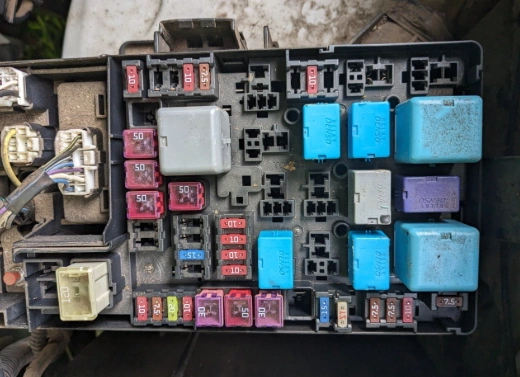
A fuel pump relay, also referred to as a petrol pump relay, is an electrical switch that activates the fuel pump when the engine is started. Its main job is to manage the flow of power from the battery to the fuel pump without requiring the ignition switch to carry high electrical loads directly.
When you turn the key or press the start button, the relay gets a signal from the Engine Control Unit (ECU). It then closes the circuit, allowing current to reach the fuel pump. This process pressurizes the fuel lines and ensures that your engine receives the fuel it needs to start and continue running.
Without the relay, the fuel pump wouldn’t receive power, preventing your car from starting.
Technically, no. You cannot drive a modern vehicle without a functioning fuel pump relay. If the relay fails, the fuel pump will not receive the necessary electrical signal, and fuel won’t be delivered to the engine. As a result, your vehicle may crank but fail to start, or it may stall shortly after ignition.
In emergency situations, some experienced mechanics might bypass the relay to test or temporarily power the fuel pump. However, this is not a safe or long-term solution, as it can lead to electrical overloads or damage to other components.
So, if you’re dealing with a failed petrol pump relay, replacement—not removal—is the only reliable solution.
A pump relay is an electro-mechanical device that uses a small current to control a larger current. In the context of automobiles, the term often refers to the fuel pump relay, which controls power to the petrol pump.
It generally consists of a coil, a switch, and a set of contacts. When current flows through the coil, it generates a magnetic field that pulls the switch closed, allowing a higher voltage current to pass through to the fuel pump.
Pump relays are typically found in the fuse box under the hood or in the cabin. Some are removable, while others may be soldered onto a circuit board.
If you suspect issues with your petrol pump relay, there are a few methods you can use to test it:
When you turn your ignition key to the "ON" position (without starting the engine), you should hear a faint humming sound from the rear of the vehicle. This is the fuel pump priming the fuel system. If you don’t hear it, the relay might not be working.
Many vehicles use identical relays for different functions (e.g., headlights, air conditioning). Try swapping the suspected fuel pump relay with another known-good relay of the same type. If the fuel pump starts working, you’ve likely found the culprit.
Disconnect the relay and use a multimeter to check for continuity and resistance across the terminals. Consult your vehicle’s service manual for the correct pin configuration and resistance values.
Some cars will register a bad fuel pump relay as an error in the ECU. Using an OBD2 scanner can help identify this issue if your check engine light is on.
A failing or faulty petrol pump relay can cause several noticeable symptoms. If you experience any of the following issues, the relay could be to blame:
The most common sign of a bad fuel pump relay is a no-start condition. If the engine turns over but fails to start, it could be because the fuel pump isn’t receiving power.
Sometimes the car starts just fine, while other times it won’t. This inconsistency can be caused by a relay that works sporadically due to corroded contacts or internal damage.
If your engine dies unexpectedly while driving, especially under load or while idling, it may indicate a fuel pump relay failure. In this case, the fuel pump may have suddenly lost power.
As mentioned, if you don’t hear the usual hum from the fuel tank when turning on the ignition, your fuel pump may not be priming—often due to a faulty relay.
Although not specific to the relay, a malfunctioning fuel system component will often trigger the check engine light. A diagnostic scan can narrow down the issue.
There are several reasons a fuel pump relay might fail:
Heat damage from prolonged use
Moisture or corrosion inside the fuse box
Electrical overloads due to a failing fuel pump drawing too much current
Aging or degraded internal contacts
Regular vehicle maintenance and addressing fuel system problems early can extend the lifespan of your relay.
The petrol pump relay may be small, but it plays a huge role in the operation of your vehicle. It ensures your fuel pump receives the power it needs to supply the engine with petrol. When this component fails, it can result in frustrating no-start problems, stalling, or inconsistent performance.
Understanding the signs of a failing relay and knowing how to test it can save you time and money in diagnostics and repairs. If your car is showing symptoms like cranking without starting, stalling, or a silent fuel pump, don’t overlook the possibility that your fuel pump relay could be the issue.
Let me know if you'd like this formatted for WordPress or want a cover image to go along with it!

Disclaimer: The views and opinions expressed by individual authors or forum participants on this website do not represent the views and opinions of Chipsmall, nor do they represent Chipsmall's official policy.

share this blog to:


Chipsmall will provide you real-time product updates, limited-time deals.


Copyright © 2004-2026 Chipsmall.com All Rights Reserved.

Feedback
We appreciate your engagement with Chipsmall's products and services. Your opinion matters to us! Kindly take a moment to complete the form below. Your valuable feedback ensures that we consistently deliver the exceptional service you deserve. Thank you for being part of our journey towards excellence.