656
656
The microwave transformer is one of the most powerful and recognizable components found inside a microwave oven. Known for its large size and heavy build, it plays a key role in generating the high voltage required to heat your food quickly and efficiently. Whether you are a repair technician, an electronics enthusiast, or simply curious, understanding how a microwave transformer works can be both informative and practical.
In this guide, we’ll explore what a microwave transformer is, how it functions, where it’s used, and why it's important — along with safety tips and repurposing ideas.

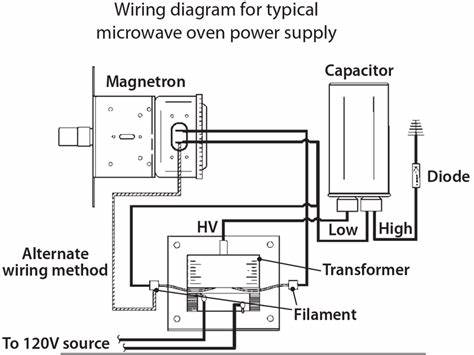
A microwave transformer, also commonly referred to as a microwave oven transformer (MOT), is a type of step-up transformer used in microwave ovens. Its primary role is to convert standard household voltage (110V or 220V AC) into a much higher voltage — usually between 2,000 and 3,000 volts AC — to power the magnetron, the component responsible for producing microwave radiation.
Without the high voltage provided by the microwave transformer, the magnetron cannot operate, and the microwave oven would not be able to heat food.
Like all transformers, a microwave transformer operates on the principle of electromagnetic induction. It consists of a laminated iron core with multiple copper windings:
The primary coil receives the input AC voltage from your wall outlet.
The secondary coil outputs high voltage.
A third winding often provides low voltage to power the filament inside the magnetron.
When alternating current flows through the primary coil, it creates a magnetic field that induces a voltage in the secondary coil. Because the secondary coil has significantly more turns than the primary, the voltage increases dramatically.
This high voltage (typically around 2,100 volts) is then directed to the magnetron, enabling it to emit the microwave energy that cooks your food.
Understanding the technical characteristics of a microwave transformer is helpful for anyone working with or repurposing these devices. Common specifications include:
Input Voltage: 110V or 220V AC
Output Voltage: 2,000V – 3,000V AC
Frequency: 50Hz or 60Hz
Power Rating: 500W – 1,200W
Output Current: 500mA – 1A
Weight: 2kg – 5kg
These values can vary depending on the make and model of the microwave oven.
The primary application of a microwave transformer is, of course, in microwave ovens. But outside of its original purpose, this component has gained popularity in other high-voltage and DIY electronics applications.
1. Microwave Oven Magnetron Power Supply
The microwave transformer is designed to provide the high-voltage AC required by the magnetron to generate microwave energy. It is an essential part of the microwave’s internal circuit.
2. DIY Spot Welders
Electronics hobbyists often repurpose microwave transformers to build spot welding machines. By removing the high-voltage secondary coil and replacing it with a few turns of thick wire, a MOT can output low voltage at very high current — ideal for welding metal tabs on batteries or small parts.
3. High-Voltage Experiments
Microwave transformers are commonly used in science experiments to generate arcs, Jacob’s ladders, or even to power a Tesla coil. They are often used by experienced hobbyists for educational demonstrations involving high voltage.
4. Electrolysis and Metal Etching
Due to their ability to supply strong electrical currents, MOTs can be adapted for use in electrochemical applications like electrolysis or etching metal surfaces.
Microwave transformers are popular in the electronics and DIY community for several reasons:
High Power Output: Capable of delivering both high voltage and high current.
Availability: Easily sourced from old or discarded microwave ovens.
Durability: Built to withstand high operating temperatures and long-term use.
Modifiability: Can be rewound or modified for various applications, especially spot welding or low-voltage power supplies.
It is very important to understand that microwave transformers can be extremely dangerous. The high voltage produced by these devices is more than enough to cause severe injury or death.
Here are critical safety tips when working with a microwave transformer:
Do not power a microwave transformer directly from a wall outlet without proper safety gear and isolation.
Always discharge high-voltage capacitors before handling, as they can retain dangerous charges even when unplugged.
Use rubber gloves, insulated tools, and eye protection when testing or modifying any high-voltage device.
Never operate a MOT on a flammable surface or near water.
Make sure you understand how the circuit works before connecting power.
If you're unsure, it’s better to consult with a professional or avoid experimenting altogether.
To determine if a microwave transformer is functional, follow these basic steps:
Visual Inspection: Check for burn marks, broken wires, or melted insulation.
Continuity Test: Use a multimeter to check continuity on the primary and secondary windings.
Resistance Test:
Primary coil: Typically 1–2 ohms
Secondary coil: Typically 100–200 ohms
Live Test: Only for experienced users with proper safety precautions, connect the transformer through a current-limiting device (such as a light bulb) and measure output voltage.
Never test a microwave transformer under power without complete knowledge and respect for the risks involved.
If you're interested in learning more about how microwave transformers are connected and how to safely interpret their wiring, be sure to check out our in-depth guide: Decoding the Language of Microwave Transformer Wiring Diagrams. It breaks down the most common symbols, color codes, and pin configurations used in microwave transformer circuits — a must-read for DIYers and technicians alike.
Microwave transformers can be found in a number of places:
Broken or old microwave ovens: You can often salvage them for free or at low cost.
Online marketplaces: eBay, Amazon, AliExpress, and other platforms.
Electronics recycling centers
Surplus electronics stores
Always make sure the transformer you acquire is not damaged and comes from a reputable source if you are purchasing online.
Microwave transformers are not designed to be user-serviceable. If a transformer is shorted or has burned windings, it is generally safer to replace it than attempt a repair. However, skilled users may rewind the secondary coil to adapt the transformer for other uses, such as a low-voltage power supply.
Rewinding a microwave transformer involves cutting out the original secondary coil and inserting a few turns of heavy-gauge wire, which can output 2V–3V at over 100 amps, depending on the wire and turns used.
The microwave transformer is a powerful, versatile, and surprisingly accessible component. While it plays a vital role in cooking food inside a microwave, its capabilities extend far beyond the kitchen. From DIY welding to high-voltage experiments, MOTs offer a wide range of potential uses — but they must be handled with extreme caution.
If you're interested in working with microwave transformers, be sure to prioritize safety, understand the electrical risks, and always follow proper procedures. With the right knowledge and precautions, a microwave transformer can be a valuable tool in both home repair and creative electrical projects.

Disclaimer: The views and opinions expressed by individual authors or forum participants on this website do not represent the views and opinions of Chipsmall, nor do they represent Chipsmall's official policy.

share this blog to:


Chipsmall will provide you real-time product updates, limited-time deals.


Copyright © 2004-2026 Chipsmall.com All Rights Reserved.

Feedback
We appreciate your engagement with Chipsmall's products and services. Your opinion matters to us! Kindly take a moment to complete the form below. Your valuable feedback ensures that we consistently deliver the exceptional service you deserve. Thank you for being part of our journey towards excellence.