426
426Lithium Polymer (LiPo) batteries have become a cornerstone power source in the world of high-performance electronics. Their lightweight design, high energy density, and discharge capabilities make them the go-to option for drones, RC cars, robotics, and other demanding applications. This guide explains how LiPo batteries work, their key advantages, safety protocols, and what to consider when choosing or using one.
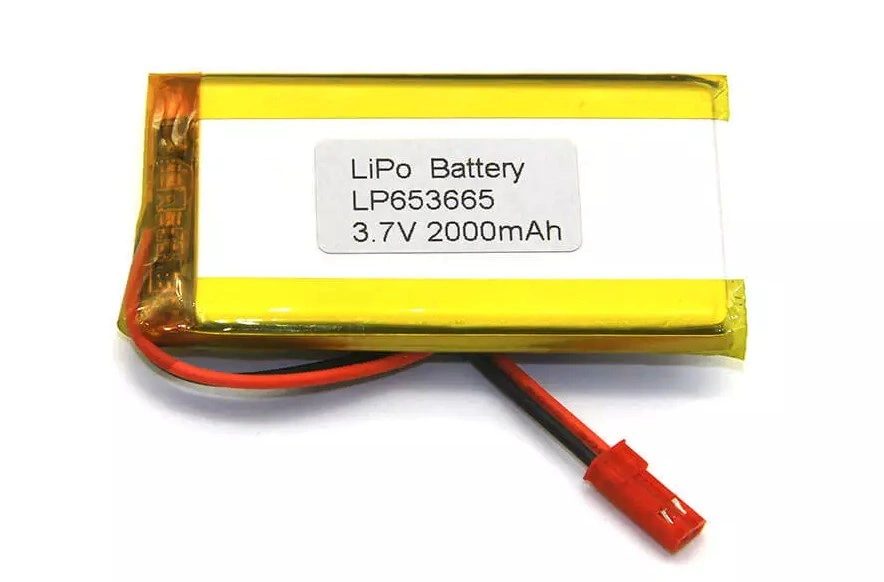
A LiPo battery is a type of rechargeable battery that uses lithium-ion chemistry in a polymer electrolyte format. Unlike cylindrical lithium-ion cells, LiPo batteries typically feature a flat, pouch-style form, offering flexibility and lighter weight, which is ideal for portable or flying devices.
High discharge rates for fast power delivery
Low weight-to-capacity ratio
Multiple cell configurations (1S, 2S, 3S, etc.)
Customizable shapes and sizes
LiPo batteries function similarly to traditional lithium-ion batteries but differ in construction. Each cell contains:
Anode (typically graphite)
Cathode (usually lithium cobalt oxide or similar)
Electrolyte (gel-like polymer, improving shape adaptability)
When discharging, lithium ions move from the anode to the cathode, creating a current. During charging, the process reverses.
When selecting or using LiPo batteries, you'll encounter several important specifications:
Voltage (V): Each LiPo cell delivers 3.7V nominal (max 4.2V when fully charged). A 3S battery, for example, has 11.1V nominal.
Capacity (mAh): Indicates the total charge the battery can store. Higher values mean longer runtime.
C-Rating: Describes discharge rate. A 30C 2000mAh battery can safely discharge at 60A (30 x 2A).
S and P Configurations: “S” refers to how many cells are connected in series (to increase voltage), while “P” indicates parallel cells (to increase capacity).
Lightweight and slim: Excellent for drones and compact electronics
High power output: Suitable for power-hungry motors and ESCs
Flexible form factor: Custom pack sizes for tight installations
LiPo batteries are commonly used in:
Drones / quadcopters
RC cars and airplanes
Robotics
Portable medical devices
High-power flashlights or wearable electronics
Always use a LiPo-compatible charger with a balance feature.
Never charge unattended or at high current rates beyond the battery’s spec.
Charge on a fireproof surface like a LiPo charging bag or ceramic plate.
Avoid full discharge below 3.0V per cell—doing so risks permanent damage.
Use low-voltage alarms or telemetry if your device supports it.
Don’t exceed the specified C-rating, especially under load.
LiPo batteries can be volatile if mishandled. Follow these safety precautions:
Storage: Store batteries at 3.7–3.85V per cell in a cool, dry place.
Swelling: Stop using any battery that shows signs of puffing or deformation.
Puncture risk: Avoid dropping or piercing the battery. Damaged LiPos can catch fire.
Transport: Use LiPo-safe containers or bags when traveling with batteries.
Consider the following:
Voltage: Match your device’s voltage needs (e.g., 3S for 11.1V systems).
Capacity: Balance runtime and weight—larger capacity means heavier.
Discharge Rate (C-rating): Ensure it meets or exceeds your system’s peak current draw.
Connector type: Make sure it’s compatible with your ESC or power distribution board.
LiPo batteries are incredibly efficient and powerful when used correctly. Their performance benefits are undeniable—but so are their risks if handled improperly. By understanding their construction, capabilities, and limitations, users can unlock their full potential while maintaining safety and battery longevity.
Let me know if you want this reformatted into a blog-friendly HTML structure or tailored toward a specific industry like FPV drones, electric RC boats, or industrial robotics.

Disclaimer: The views and opinions expressed by individual authors or forum participants on this website do not represent the views and opinions of Chipsmall, nor do they represent Chipsmall's official policy.

share this blog to:


Chipsmall will provide you real-time product updates, limited-time deals.


Copyright © 2004-2026 Chipsmall.com All Rights Reserved.

Feedback
We appreciate your engagement with Chipsmall's products and services. Your opinion matters to us! Kindly take a moment to complete the form below. Your valuable feedback ensures that we consistently deliver the exceptional service you deserve. Thank you for being part of our journey towards excellence.