389
389Industrial automation is a transformative technology that has revolutionized the manufacturing and production landscape. By leveraging advanced technologies, automation streamlines processes, enhances productivity, and drives innovation across industries. In this article, we will explore what industrial automation entails, delve into its benefits, and highlight key technologies that power this remarkable evolution.
Industrial automation refers to the use of various technologies and control systems to automate industrial processes, reducing the need for human intervention. It involves the integration of machinery, software, and advanced sensors to monitor and control manufacturing operations, resulting in increased efficiency, higher productivity, and improved quality.
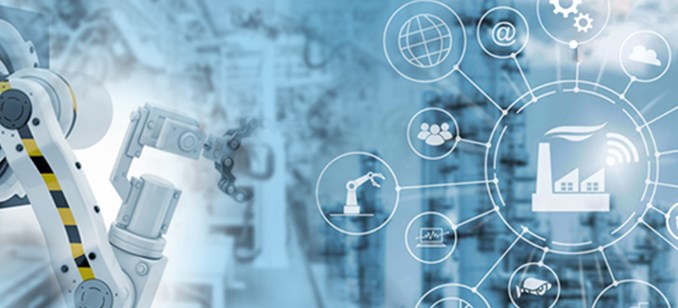
Robotics and Automation Systems: Robots play a pivotal role in automating various tasks within industrial settings. They can perform repetitive actions with precision, handle heavy loads, and operate in hazardous environments. Advanced robotics, such as collaborative robots (cobots), work alongside human operators, further enhancing productivity and safety.
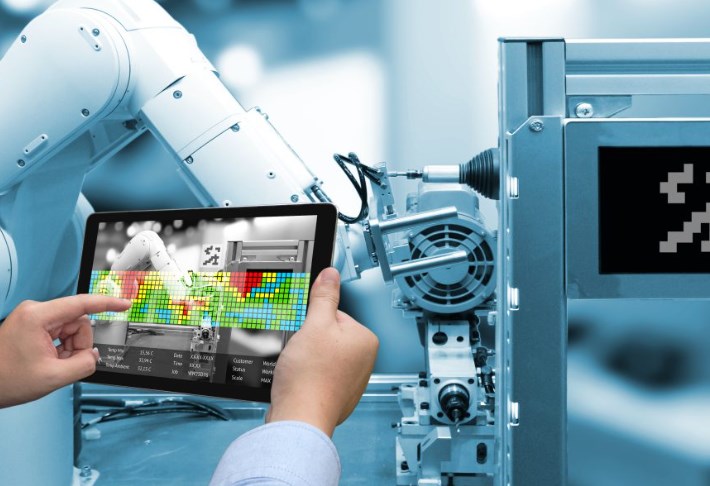
Programmable Logic Controllers (PLCs): PLCs are specialized computers that control and monitor industrial processes. They receive inputs from sensors, make decisions based on pre-programmed logic, and control the output devices. PLCs are widely used for controlling machinery, managing production lines, and coordinating multiple processes simultaneously.
.jpg)
Internet of Things (IoT): IoT connects devices, sensors, and systems to gather and analyze data in real-time. In industrial automation, IoT enables smart factories by integrating machines, sensors, and production systems into a unified network. This connectivity allows for remote monitoring, predictive maintenance, and data-driven decision-making, resulting in increased efficiency and reduced downtime.

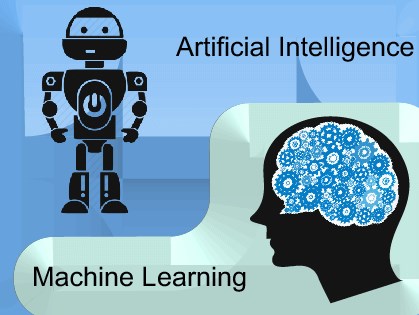
Artificial Intelligence (AI) and Machine Learning (ML): AI and ML technologies are transforming industrial automation by enabling machines to learn, adapt, and make intelligent decisions. These technologies can analyze vast amounts of data, identify patterns, and optimize processes for improved efficiency and productivity. AI-powered systems can also enable predictive maintenance, reducing equipment failures and unplanned downtime.
Industrial automation has ushered in a new era of efficiency, productivity, and innovation in manufacturing and production. By leveraging advanced technologies such as robotics, PLCs, IoT, and AI, companies can streamline operations, enhance safety, improve product quality, and achieve higher levels of efficiency. As automation continues to evolve, the potential for increased automation adoption and integration in industries across the globe is vast. Embracing industrial automation can empower organizations to stay competitive, drive growth, and unlock new opportunities in the dynamic and ever-evolving industrial landscape.

Disclaimer: The views and opinions expressed by individual authors or forum participants on this website do not represent the views and opinions of Chipsmall, nor do they represent Chipsmall's official policy.

share this blog to:


Chipsmall will provide you real-time product updates, limited-time deals.


Copyright © 2004-2026 Chipsmall.com All Rights Reserved.

Feedback
We appreciate your engagement with Chipsmall's products and services. Your opinion matters to us! Kindly take a moment to complete the form below. Your valuable feedback ensures that we consistently deliver the exceptional service you deserve. Thank you for being part of our journey towards excellence.