263
263Hey! If you see the coolant dripping under the car or the coolant indicator reading not enough, it may be a radiator leak. Don't worry, I have a super practical guide of How to Fix Coolant Leak from Radiator here that can help you!
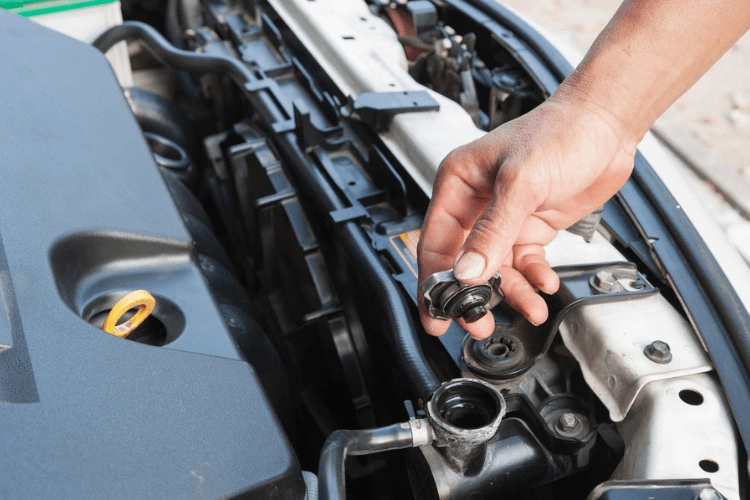
Image Source:Gold Eagle Company
In this guide, I will take you step by step to find the problem and then solve it by myself, saving you a lot of repair money. Whether it's small cracks, loose joints, or broken pipes, I can teach you how to fix coolant leak from the radiator. Let's talk about it now, so that your radiator will no longer leak water and the engine can stay cool!
Hey, let's talk about coolant leakage. You need to first understand what coolant is for. Coolant is like the "personal doctor" of the engine, responsible for cooling the engine and preventing it from overheating. It is actually a liquid mixed with water and antifreeze, circulating through the internal pipes of the engine, absorbing the heat of the engine, then running to the radiator to dissipate heat, and then returning to the engine to continue working.
What about coolant leakage? Simply put, it's because the "private doctor" got lost or its "medicine bottle" leaked. In this way, the engine will not receive sufficient cooling and it is easy to get sick. Common signs of coolant leakage include: unknown liquid under the car, high engine temperature gauge, or coolant indicator light on the dashboard indicating that the coolant is not enough.
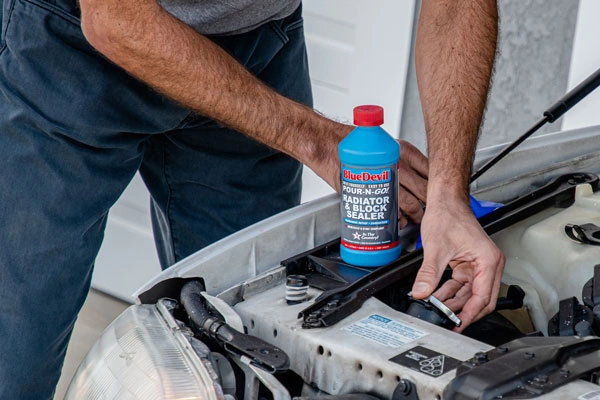
Image Source:Autozone
Let me tell you some obvious signs of coolant leakage:
1.There are coolant puddles under the car: When you look under the car, there are green, yellow, or pink liquids gathered there, especially in the front of the car where the radiator is located. That's probably because the coolant is leaking.
2.The coolant is often insufficient: if you get old and need to add coolant, there may be a leak somewhere in the system.
3.Engine overheating: If there is not enough coolant, the engine is prone to "fever", and the temperature gauge on the dashboard will rise sharply.
4.Engine hood emitting hot air: Especially after driving the car, if you see hot air coming from the engine hood, it may be a serious coolant leak.
5.Sweet taste: The coolant has a special, slightly sweet taste. If you smell this odor in front of or inside the car, it may be a coolant leak.
6.Rust or discoloration of radiator components: If there is corrosion around the radiator or pipe joints, it may be a sign of long-term coolant leakage, as the coolant will leave something behind after it dries.
Hey, do you want to know how to fix a coolant leak from the radiator? You've come to the right place! This guide will start from finding the leak point and continue until it is repaired, ensuring that your engine is cool and the radiator works efficiently.
First, take a look at the radiator, pipes, and joints to see if there are any leaks, wet areas, or corroded areas. You can also use ultraviolet dyes and flashlights, which makes it much easier to find small leaks.
Before repairing, make sure the engine is completely cool, otherwise there may be burns or injuries. Do not open the radiator cap when the engine is hot, otherwise the coolant may spray out.
Place a container under the radiator, open the drain valve, and drain the coolant. This way, when you fix the radiator, you won't splash it all over or make a mess.
If there are small cracks or pinholes, you can use commercial radiator sealant. Pour it into the radiator according to the product instructions, then start the engine and let the sealant work.
Epoxy resin or specialized radiator tape can also temporarily block small leaks on the radiator body or pipes.
If it is a pipe that is leaking, you need to carefully check for cracks or if it has become brittle. 6.Replace the pipe with a new one
Loose or rusted pipe clamps also need to be tightened or replaced to ensure a secure installation.
Check if the radiator cover is worn or damaged. A broken lid may cause pressure to escape and result in liquid leakage. If you want to replace it, replace it with a new one.
After fixing the leak, add the correct proportion of coolant and water to the radiator. You need to use coolant that is suitable for your car.
Start the engine, let it run, and check for any new leaks. Pay attention to the temperature gauge to ensure that the engine is not overheating.
After driving a short distance, check the radiator and pipes again to ensure they are fixed.
The coolant is toxic and should not be casually thrown into trash cans or sewers. You have to take it to the car recycling station or repair shop, they can accept coolant waste.
To prevent coolant leakage in the future, you need to first understand the common causes of leakage and then proactively find solutions. If the coolant has already leaked, you need to learn how to fix it from radiators and avoid future leaks. After fixing the leak, you still need to pay attention to these preventive measures:
Inspect the radiator, hoses, and clamps frequently for wear, cracks, or corrosion.
Ensure the radiator cap is functioning correctly to maintain proper pressure and avoid stress on the system.
We need to use the coolant type recommended by your car manufacturer.
Maintain an appropriate ratio of coolant to water (usually 50 to 50) so that the car does not freeze, overheat, or corrode.
Regularly clean the water tank (approximately once to twice a year, or as recommended by the manufacturer) to remove any debris and mineral deposits inside, otherwise they may damage the water tank.
Replace the pipes and clips quickly before they break.
The water tank or other severely worn parts also need to be replaced, otherwise they may leak at some point.
Overheating of a car can generate excessive pressure, leading to water leakage. So we need to regularly check the cooling system, and deal with it as soon as the car overheats.
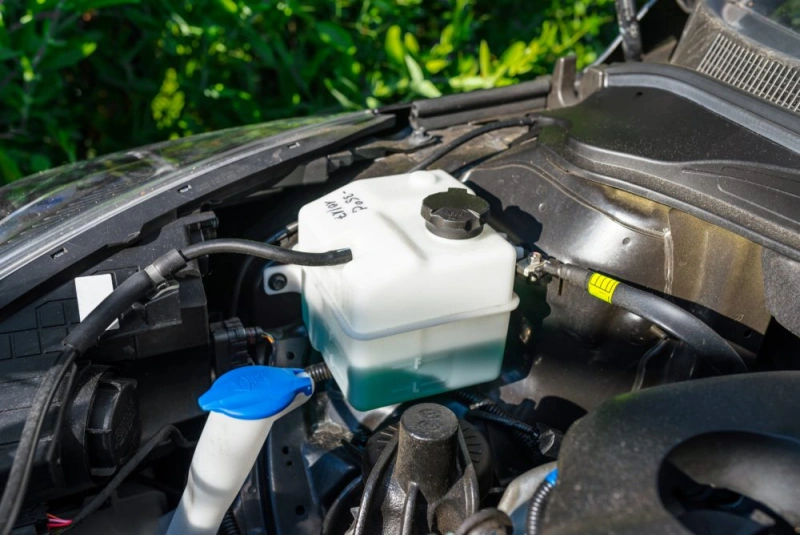
Image Source:Kernersville Auto Center
For repairing a small radiator leak, high-temperature epoxy such as J-B Weld or other metal-reinforced options works well for sealing cracks or pinholes. These epoxies can withstand the heat and pressure of the cooling system when applied correctly. Radiator-specific sealants like Bar's Leaks Radiator Stop Leak or BlueDevil Radiator Sealant are also effective. They circulate through the system to seal minor leaks from the inside. While these solutions can temporarily resolve the issue, it’s important to address the underlying cause and consider professional repairs or replacement for long-term reliability.
Understanding how to fix coolant leak from radiator involves pinpointing the leak, applying temporary solutions like sealants for small cracks, and performing permanent repairs or part replacements as needed. Regular maintenance, such as checking coolant levels, inspecting hoses, and flushing the radiator, is essential to prevent future leaks. By addressing issues promptly and maintaining the cooling system, you can ensure your radiator functions efficiently and avoid costly repairs down the line.

Disclaimer: The views and opinions expressed by individual authors or forum participants on this website do not represent the views and opinions of Chipsmall, nor do they represent Chipsmall's official policy.

share this blog to:


Chipsmall will provide you real-time product updates, limited-time deals.


Copyright © 2004-2026 Chipsmall.com All Rights Reserved.

Feedback
We appreciate your engagement with Chipsmall's products and services. Your opinion matters to us! Kindly take a moment to complete the form below. Your valuable feedback ensures that we consistently deliver the exceptional service you deserve. Thank you for being part of our journey towards excellence.