2342
2342When designing or repairing electronic circuits, one of the most critical yet often overlooked components is the resistor. For applications that demand accuracy—such as instrumentation, medical devices, or high-end audio equipment—precision resistors are indispensable. However, with countless options available, choosing the right precision resistor can be challenging. This guide will help you understand the key specifications and factors to consider when purchasing precision resistors.

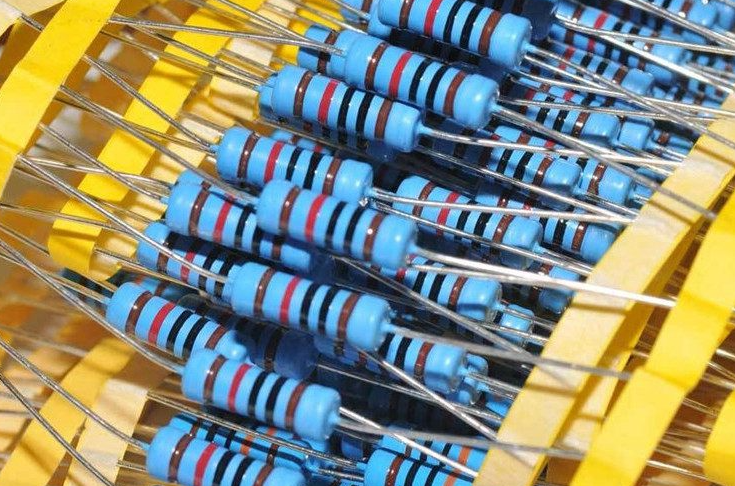
Precision resistors are resistive components designed with extremely tight tolerance and low temperature coefficients. Unlike standard resistors that may vary widely in performance, precision resistors guarantee consistent and reliable operation.
Key features include:
Tight tolerance levels (as low as ±0.01%)
Low temperature coefficient of resistance (TCR)
High stability over time and load conditions
The first specification to check is the resistance value and its tolerance. For example, a 10 kΩ resistor with a ±0.1% tolerance ensures the actual resistance lies between 9,990 Ω and 10,010 Ω. In high-accuracy circuits, lower tolerance is always better.
TCR indicates how much resistance changes with temperature. Precision resistors typically offer TCR values as low as ±5 ppm/°C, ensuring consistent performance in varying environments.
Always ensure the resistor can handle the expected power dissipation. Precision resistors are available in power ratings from 0.1 W to several watts. Choosing the correct power rating prevents overheating and premature failure.
For applications like measurement instruments, stability over time is crucial. High-quality precision resistors specify drift rates as low as ±0.005% per year.
Resistors come in through-hole and surface-mount (SMD) packages. SMD precision resistors are preferred for compact devices, while through-hole types may be better for high-power or prototyping needs.
Metal film resistors → High precision and low TCR
Wirewound resistors → Excellent stability but larger size
Thin-film resistors → Ultra-precise, suitable for sensitive circuits
Choosing the right supplier is as important as the part itself. Look for vendors with strong quality assurance, testing facilities, and traceability records to avoid counterfeit or substandard components.
Buy in bulk: Precision resistors are cheaper when purchased in quantity.
Check lead times: Some high-precision models may have longer production schedules.
Compare alternatives: Sometimes, using two standard resistors in series or parallel can replace a costly single precision resistor.
Evaluate brands: Vishay, Yageo, Panasonic, and KOA are among the trusted manufacturers.
Ignoring TCR, which can cause inaccurate readings in varying environments
Choosing resistors without checking power ratings
Overpaying for precision resistors when standard resistors would suffice
Buying from unauthorized distributors, risking counterfeit parts
Selecting the right precision resistor is vital for ensuring accuracy, stability, and long-term reliability in sensitive electronic circuits. By carefully considering resistance tolerance, TCR, power rating, and supplier credibility, buyers can make informed decisions that balance performance and cost.
Whether you are an engineer, a procurement manager, or a hobbyist, understanding these key factors will help you source the right resistor for your project.

Disclaimer: The views and opinions expressed by individual authors or forum participants on this website do not represent the views and opinions of Chipsmall, nor do they represent Chipsmall's official policy.

share this blog to:


Chipsmall will provide you real-time product updates, limited-time deals.


Copyright © 2004-2026 Chipsmall.com All Rights Reserved.

Feedback
We appreciate your engagement with Chipsmall's products and services. Your opinion matters to us! Kindly take a moment to complete the form below. Your valuable feedback ensures that we consistently deliver the exceptional service you deserve. Thank you for being part of our journey towards excellence.