457
457Relays are used in a wide range of applications to control the flow of electricity and switch circuits on and off. They are widely used in autos, test and measurement equipment, power supply, home automation systems, and many more applications. If you are involved in manufacturing or production, you are likely to require the use of relays. In this article, we will explore the wiring method for a 5-pin relay, which is simple and easy to understand even for beginners.
A 5-pin relay is a commonly used electronic component that is widely used in many industries and applications. Here are a few common industries where 5-pin relays are frequently used:
Automotive industry: 5-pin relays are commonly used in automotive electrical systems, such as turning on and off the vehicle's headlights, power windows, horn, etc.
Industrial control systems: 5-pin relays are often used in industrial control systems, such as controlling the operation of motors, pumps, solenoids, and other devices.
Home appliances: 5-pin relays are also used in home appliances, such as air conditioners, refrigerators, and washing machines, to control the operation of different components.
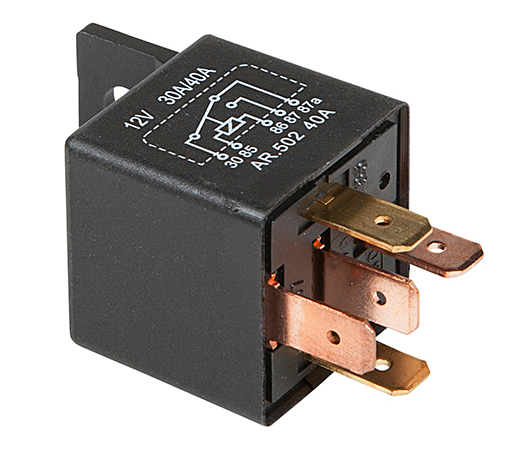
A 5-pin relay consists of an electromagnet coil, two contact pins (87 and 87a), a common pin (30), and two coil pins (85 and 86). The relay works by using the magnetic field generated by the coil to move the contact on and off. When the coil is not activated, 30 is connected to 87a, and the switch is "OFF". When current is applied to the coil, 30 is then connected to 87, and the switch is "ON".
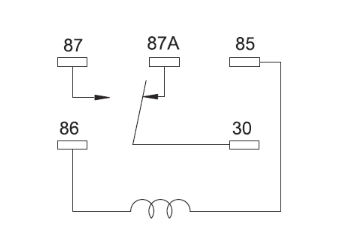
To wire a 5-pin relay correctly, here is a perfect guide for you:
By following these steps carefully, you can wire a relay successfully and ensure that your electrical system functions reliably and safely.
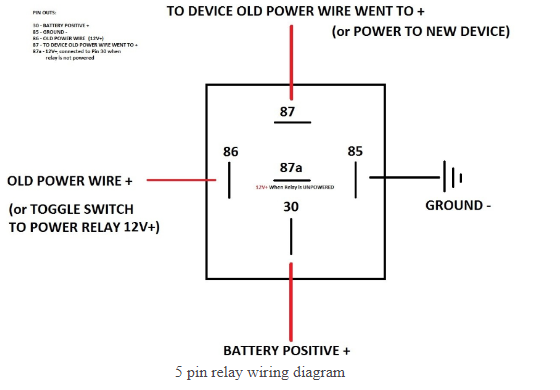
Wiring a 5 pin relay is a relatively straightforward process for beginners. All you need is the right tools and an understanding of the internal wiring diagram. By following the step-by-step instructions for the external wiring, you can easily wire the relay. However, it is important to exercise caution and prioritize electrical safety during the process. With these considerations in mind, you can successfully wire a 5 pin relay and ensure reliable and safe operation of your electrical system.

Disclaimer: The views and opinions expressed by individual authors or forum participants on this website do not represent the views and opinions of Chipsmall, nor do they represent Chipsmall's official policy.

share this blog to:


Chipsmall will provide you real-time product updates, limited-time deals.


Copyright © 2004-2026 Chipsmall.com All Rights Reserved.

Feedback
We appreciate your engagement with Chipsmall's products and services. Your opinion matters to us! Kindly take a moment to complete the form below. Your valuable feedback ensures that we consistently deliver the exceptional service you deserve. Thank you for being part of our journey towards excellence.