1023
1023Diesel Particulate Filters, or DPFs, are an integral part of the modern diesel engine. They reduce harmful emissions by trapping soot and particulate matter. These filters eventually get clogged, which may lead to performance problems and increased emissions. Regular maintenance and cleaning of the DPFs are necessary to maintain the engine's efficiency and environmental standards. This article discusses the effectiveness of DPF cleaning, the consequences of neglect, the associated costs, and a step-by-step process for maintaining a clean DPF.
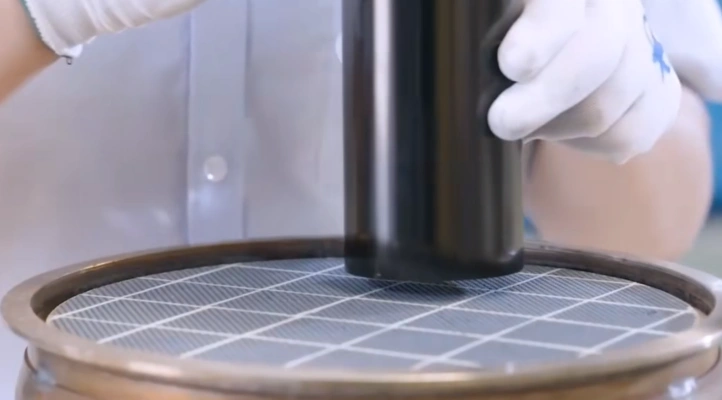
The Diesel Particulate Filter or DPF is one of the most vital parts in a modern diesel engine. Its function is to decrease toxic emissions by trapping soot and other types of particulate matter. Through time, this results in filter saturation, which impacts performance and efficiency. Do DPF cleanings work?
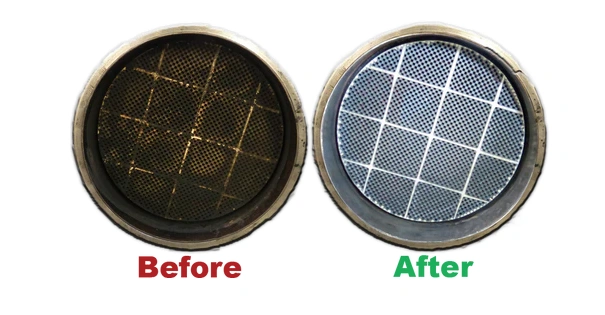
Provided that cleaning is done right, the answer is a positive yes. DPF cleaning will restore the filter to its ability to trap hazardous particles and improve exhaust flow and engine efficiency. Various cleaning methods, including professional regeneration, ultrasonic cleaning, or chemical treatments, can effectively remove soot and ash build-up. However, the method applied should be appropriate for the severity of the blockage and the condition of the DPF.
Proper maintenance and cleaning of the filter would help extend the life of the filter, saving costly replacements, and avoiding violating emission standards. Home remedies are also effective in removing small clogs but large blockage requires professional service for better results.
Improved Fuel Efficiency: A clean DPF ensures optimal exhaust flow, which reduces the strain on the engine and improves fuel economy.
Reduced Emissions: Cleaning restores the filter's ability to trap harmful particulates, ensuring compliance with environmental standards.
Extended DPF Lifespan: Regular cleaning prevents ash buildup, which reduces wear and tear on the filter.
Cost Savings: By avoiding premature replacements and improving engine performance, DPF cleaning saves money in the long run.
Whereas home-made remedies may be somewhat effective for less severe clogging, critical clogging requires professional input to deliver the best outcome. Maintenance and cleaning can improve the life cycle of the DPFs and have your engine perform well.
Neglecting to clean your DPF can lead to a host of problems, be it for your vehicle and your wallet. Here's what can happen if you don't clean your DPF:
A clogged DPF will restrict the exhaust flow, thereby increasing backpressure. This will lead to a reduction in engine power, sluggish acceleration, and poor fuel efficiency. The engine has to work harder to expel exhaust gases, which leads to a noticeable drop in overall performance.
Without regular cleaning, the DPF cannot trap soot and particulate matter. This results in higher emissions, which can cause your vehicle to fail environmental standards and inspections. Excessive emissions not only harm the environment but can also result in hefty fines or penalties.
Continuous backpressure of a clogged DPF strains the engine, causing overheating, failure of turbocharger, and worse conditions. It may damage the engine if allowed to reach extreme conditions. Serious neglect of DPF can demand costly, extensive repairs on the engine.
Most modern vehicles are equipped with sensors that monitor the DPF’s condition. When the filter is clogged, the dashboard warning light will illuminate, and the vehicle may enter “limp mode,” limiting performance to prevent further damage. This can be inconvenient and may require immediate attention.
Ignoring DPF cleaning might result in a full replacement, which is very expensive and costs much more than the cleaning process. Also, other engine components could get damaged, thus making it costlier to repair. A replacement DPF would cost thousands of dollars. Therefore, regular cleaning makes it cheaper.
Regular DPF cleaning keeps your vehicle running smoothly, away from unnecessary repair costs, and ensures compliance with the set emissions standards. Vehicle maintenance should never omit the DPF cleaning.
Costs for DPF cleaning are very variable depending on the cleaning method, place, and service provider. Here is a rough idea of the average cost
The professional regeneration involves the burning of soot and particulate matter by heating up the DPF. Its service costs range between $100 and $400 based on the complexity of the job. It is the quickest and most efficient means to regain the function of the filter.
Ultrasonic cleaning refers to the removal of ash and soot from the DPF using high frequency sound waves. It's very effective for highly clogged filters and usually falls between $300 and $800. This method is recommended for older or badly blocked DPFs.
Chemical cleaning refers to the use of certain solvents that break down and clean out the soot and ash. This service, being relatively very cheap in price, costs around $100 to $250 dollars. Good for minor obstructions, it's highly popular among many owners.
For minor clogs, do-it-yourself cleaning kits are available. DIY kits can cost anywhere from $20 to $100, but will not be as effective as professional cleaning services. They may be sufficient for routine maintenance, but they might not be strong enough for more severe blockages.
In cases where the filter cannot be cleaned, replacement cost can range anywhere from $1,000 to $5,000 and up, depending on the car. Thus, replacement is a last option, given that regular cleaning would mean avoiding such costly operations.
Regular cleaning can save you from all the high costs of filter replacements and engine repairs. Also, getting quotes from many service providers will help determine the best value for the money.
Cleaning your DPF is not always to be done professionally. However, you can clean a blocked filter by yourself when the obstruction is minor, using the steps below. In case of severe blockage, it is recommended to get a professional clean-up.
You will need:
Locate the DPF on your car. Usually, you will find this out by reading through your car's manual. Sometimes, you have to disconnect it using a wrench or socket set. Make sure that you are working in a clean well-ventilated area when cleaning to avoid unsafe cleaning.
If it is still fitted to the vehicle, use a DPF cleaning spray that is specifically designed for in-situ cleaning. Follow the instructions accompanying the product. If it has been removed, immerse it in a chemical cleaning solution and let the stubborn deposits loosen.
Let it dwell on soot and ash deposits as long as the manufacturer prescribes for. Most specify between 30 minutes to several hours. Patience is amply rewarded again here also.
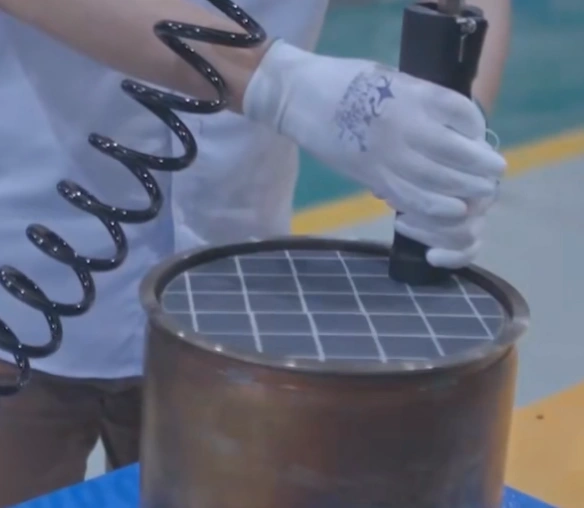
Rinse out the loosened deposits using a high-pressure air compressor or a water hose. Clean the DPF well and let it dry before reinstallation. A clean and dry filter is the secret to optimal performance.
Now, once the DPF is clean and dry, reattach it to the vehicle. Ensure that all the connections are tight, and the bolts are tightened to the manufacturer's specification. Check for leaks or loose fittings.
Start the vehicle and allow it to run through a regeneration cycle to burn off any remaining residue. This ensures that the DPF is fully operational and ready for use.
Keep an eye on engine performance and warning lights. If issues persist, consider seeking professional assistance. Regular monitoring helps identify potential problems early.
By doing these steps and taking proper care of your DPF, you can enhance your vehicle's performance, lower emissions, and you save from expensive repairs. Maintenance of a DPF will definitely give you long-term benefits to your engine and the environment.
1. How often should my DPF be cleaned?
2. Do I clean my DPF myself?
3. Does DPF cleaning damage the filter?
4. Do DPF removal or bypass systems exist?
5. Do additives prevent DPF clogging?
A clean Diesel Particulate Filter is the key to maximum engine performance, the most efficient use of fuel, and a healthy respect for the environment. Maintaining a clean DPF not only cuts down emissions but also avoids costly repair and replacement costs. One should know when a DPF is clogged, use the right cleaning methods, and drive the vehicle with good habits in order to prolong the filter's lifespan and improve overall efficiency in the vehicle.
Whether it is professional service or self-maintenance, this proactive approach will ensure that your vehicle is in the best possible condition while contributing to a healthier environment. Avoid neglecting DPF care; it is a relatively small effort with significant long-term benefits.

Disclaimer: The views and opinions expressed by individual authors or forum participants on this website do not represent the views and opinions of Chipsmall, nor do they represent Chipsmall's official policy.

share this blog to:


Chipsmall will provide you real-time product updates, limited-time deals.


Copyright © 2004-2026 Chipsmall.com All Rights Reserved.

Feedback
We appreciate your engagement with Chipsmall's products and services. Your opinion matters to us! Kindly take a moment to complete the form below. Your valuable feedback ensures that we consistently deliver the exceptional service you deserve. Thank you for being part of our journey towards excellence.