2539
2539A distributor rotor is a component of the ignition system that transmits high voltage from the ignition coil to the appropriate cylinder. This component is critical to ensuring engine performance and efficiency. Without a properly working distributor rotor, your vehicle's engine may experience misfires, poor fuel economy, and overall performance degradation.
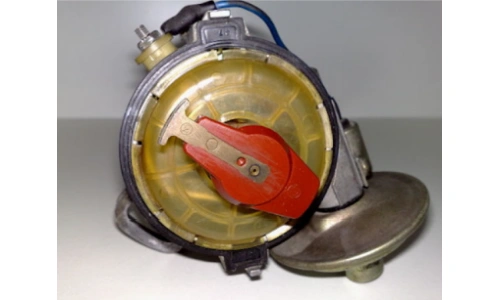
Gaining an understanding of a distributor rotor's physical makeup is necessary to appreciate its function in the ignition system. The materials, construction, and design variants are broken down in this section.
Distributor rotors are usually composed of strong, heat-resistant materials like plastic or phenolic resin. Because of their resistance to high temperatures and electrical strains, these materials were selected.
The actual rotor is often made up of an arm that extends outward to make contact with different locations inside the distributor cap and a central hub that slides over the distributor shaft. Metal alloys that are capable of efficiently transferring high voltage current without sustaining substantial wear are typically used to make the contact points.
Distributor rotors come in a variety of configurations, including fixed and adjustable models.
While adjustable rotors can be modified for changes in performance, fixed rotors are made for particular engine configurations. Certain rotors include numerous arms to accommodate engines with more cylinders, while other rotors could have unique characteristics like integrated resistors to lessen noise from electrical sources.
No matter the kind of engine, each design accommodates various engine configurations and performance needs to guarantee smooth ignition system operation.
The distributor rotor's role extends beyond merely transferring voltage; it ensures precise timing and sequence. This section explains its operational mechanics.
High-voltage current from the ignition coil is directed into the spark plugs by the rotor, which rotates inside the distributor cap.
The distributor cap's contacts line up with the rotor's rotation, allowing current to flow through and to the spark plug terminals. In order to ignite the fuel-air mixture in each cylinder, this procedure is essential.
The engine is powered by a spark that ignites the fuel mixture when the high voltage leaps from the rotor's arm to the proper contact point.
Engine efficiency depends on the timing and firing order being correct.
To keep the engine running smoothly, the distributor rotor makes sure that each spark plug gets voltage at precisely the proper time. The spark plugs fire in the right order and at the exact timing throughout the engine's cycle because the rotor's position is synced with the camshaft of the engine.
In addition to providing optimal performance and fuel efficiency, this synchronization is essential for avoiding engine knock.
Recognizing the signs of a failing distributor rotor can prevent severe engine problems. This section highlights common symptoms and diagnostic methods.
Engine misfires, decreased power, and inefficient fuel consumption can all be caused by a malfunctioning rotor.
Wear and damage to the distributor rotor might be found with routine inspection.
Choosing the correct distributor rotor ensures optimal engine performance. This section guides you through compatibility and quality considerations.
Distributor rotors are not all the same. To prevent performance problems, ensure the rotor is compatible with the make and model of your car.
To locate the right rotor, check with the owner's manual or a reputable automobile parts dealer. Choosing a rotor that isn't suitable with your car might cause timing problems and harm to the engine, so be sure you get the right one.
Select well-known, premium brands to guarantee dependability and longevity. Poorer rotor quality might result in costly replacements and perhaps engine damage. Brands with a reputation for strong materials and precise engineering are usually a safer pick. Even while it could be alluring to cut costs by choosing less expensive solutions, in the long run, buying a high-quality rotor can save you from expensive repairs and downtime.
Proper maintenance can help your distributor rotor last longer and keep your engine running smoothly. This section offers practical care and replacement advice.
The accumulation of dirt and debris on the distributor rotor can hinder performance; this can be avoided by routine cleaning.
It's important to know when to replace your distributor rotor.
Usually, after a certain number of miles or when the rotor begins to exhibit wear, replacement is required. Depending on driving circumstances and the kind of rotor, the majority of manufacturers advise examining the rotor every 12,000 to 15,000 miles and replacing it every 30,000 to 50,000 miles.
Frequent replacement lowers the likelihood of malfunctions and guarantees the ignition system's continued optimal performance.
In conclusion, while the distributor rotor is a little component, it has a big impact on your vehicle's ignition system. Its perfect operation guarantees that your engine works smoothly and efficiently by regulating the firing sequence and timing. Understanding how it works, detecting failure symptoms, and correctly maintaining it will help your engine run smoothly and efficiently.

Disclaimer: The views and opinions expressed by individual authors or forum participants on this website do not represent the views and opinions of Chipsmall, nor do they represent Chipsmall's official policy.

share this blog to:


Chipsmall will provide you real-time product updates, limited-time deals.


Copyright © 2004-2026 Chipsmall.com All Rights Reserved.

Feedback
We appreciate your engagement with Chipsmall's products and services. Your opinion matters to us! Kindly take a moment to complete the form below. Your valuable feedback ensures that we consistently deliver the exceptional service you deserve. Thank you for being part of our journey towards excellence.