631
631The blower motor resistor is a crucial component in a vehicle's HVAC (Heating, Ventilation, and Air Conditioning) system. It regulates the speed of the blower motor, which in turn controls the airflow inside the cabin. If the resistor fails, the blower motor may stop functioning properly, leading to issues such as a lack of airflow, inability to change fan speeds, or even complete failure of the heater or air conditioner. Understanding how the blower motor resistor works, diagnosing its problems, and replacing it when necessary can save time and money.
A vehicle’s heating and cooling system is vital for comfort and safety. In cold weather, the heater ensures the cabin remains warm, preventing frost from forming on windows and keeping passengers comfortable. In hot weather, the air conditioner cools the cabin, making driving more pleasant. The blower motor resistor is integral to this system because it allows drivers to control the speed of the blower motor and adjust airflow according to their preference. Without a properly functioning resistor, the entire HVAC system may fail, causing discomfort and potential safety issues, especially in extreme weather conditions.
This article provides a detailed guide on blower motor resistor replacement, covering the functions of the resistor, signs of failure, potential consequences, step-by-step replacement instructions, costs, recommended distributors, and frequently asked questions.
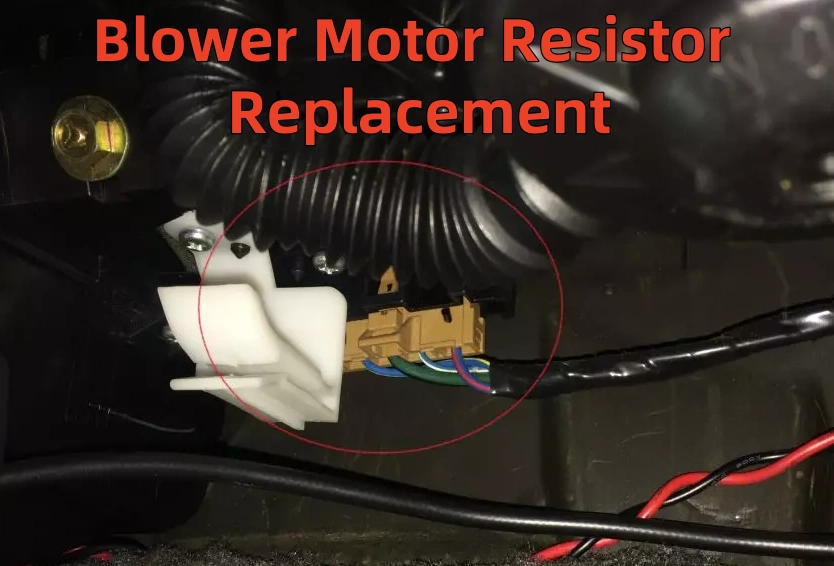
A heater blower motor resistor is responsible for controlling the speed of the blower motor in a vehicle’s HVAC system. It functions by varying the electrical resistance to the motor, which in turn adjusts the airflow inside the cabin. The resistor is usually located near the blower motor under the dashboard or in the engine compartment.
When the driver selects a fan speed, the resistor adjusts the voltage reaching the blower motor.
Lower fan speeds require more resistance, reducing voltage to slow the motor.
Higher fan speeds require less resistance, allowing more voltage to reach the motor for faster airflow.
If the resistor fails, the blower motor may get stuck at one speed or stop working entirely.
The blower motor resistor works in tandem with the HVAC control module, ensuring that air is distributed at the desired intensity. The resistor contains multiple electrical pathways, each offering a different level of resistance. When the driver changes the fan speed, the resistor adjusts the resistance accordingly. This mechanism ensures efficient airflow regulation and optimizes power consumption.

A faulty blower motor resistor often presents specific symptoms that indicate its failure. Some of the most common signs include:
Fan speed issues: The blower motor only works on one or two speeds instead of all available settings.
No airflow: The blower motor stops working altogether, preventing heated or cooled air from entering the cabin.
Intermittent operation: The blower motor functions inconsistently, cutting off unexpectedly.
Burning smell: A failing resistor may overheat, emitting a burning odor.
Unusual noises: Clicking or buzzing sounds may indicate electrical issues with the resistor.
If you notice any of these signs, it's advisable to test and replace the blower motor resistor promptly to restore proper HVAC functionality. Ignoring these symptoms can lead to a total failure of the HVAC system, requiring more costly repairs.
A faulty blower motor resistor can have multiple effects on your vehicle’s HVAC system, including:
Loss of fan control: The inability to adjust the fan speed can lead to discomfort, especially in extreme temperatures.
Increased energy consumption: A malfunctioning resistor may force the blower motor to operate inefficiently, drawing excess power from the battery.
Potential electrical damage: Overheated or burned-out resistors can lead to wiring damage, short circuits, or even a fire hazard in rare cases.
Compromised defrosting: In cold weather, the inability to direct warm air to the windshield can result in fogging and visibility issues.
Ignoring a faulty blower motor resistor can lead to more significant HVAC system failures and expensive repairs. A failing resistor can also cause strain on other electrical components, potentially leading to more widespread issues with the vehicle’s electrical system.
Some vehicle owners may wonder if they can bypass a faulty blower motor resistor instead of replacing it. It is technically possible, but improper bypassing could cause electrical damage or overheating, increasing the risk of fire hazards. Just follow the steps >> How to Bypass Blower Motor Resistor
Yes, a defective blower motor resistor can indirectly cause a lack of heat in the vehicle. While the resistor itself does not generate heat, it controls the blower motor, which circulates warm air into the cabin. If the blower motor does not function properly due to a bad resistor, heated air will not be distributed effectively, leading to:
Weak or no airflow from vents
Cold air despite the heater being on
Delayed heating of the cabin
A common misconception is that the heater core is solely responsible for warming the cabin. While the heater core generates heat from the engine's coolant system, the blower motor and resistor ensure that this heat reaches the cabin efficiently. If the resistor fails, it disrupts airflow, making it seem like the heater is not working.
Yes, replacing a blower motor resistor is a relatively simple DIY task that requires basic tools. Most resistors are located near the blower motor under the dashboard or inside the engine bay, making them accessible for replacement.
Detailed Steps
Locate the blower motor resistor: Check the vehicle manual or online resources for the specific location.
Disconnect the battery: Ensure safety by disconnecting the negative terminal.
Remove the resistor connector: Unplug the electrical connector attached to the resistor.
Unscrew the resistor: Use a screwdriver or socket wrench to remove the mounting screws.
Install the new resistor: Position the new resistor and secure it with screws.
Reconnect the electrical connector: Plug in the wiring harness securely.
Reconnect the battery: Restore power and test the blower motor to ensure proper operation.
Following these steps should restore the blower motor’s functionality. If the problem persists, additional diagnostics may be needed to check wiring or other HVAC components.
The cost of replacing a blower motor resistor varies based on the vehicle make and model, labor charges, and part prices. Below is a breakdown of potential costs:
DIY Replacement: $15 - $70 (for the resistor itself)
Professional Replacement: $80 - $250 (including labor charges)
Buying a quality OEM or aftermarket blower motor resistor ensures longevity and optimal performance. Choosing a high-quality replacement part from a reputable manufacturer can prevent premature failure and additional costs down the line.
Dorman Products: A reliable supplier of aftermarket automotive parts.
ACDelco: High-quality OEM resistors for GM vehicles.
Bosch Automotive: Premium European and Asian vehicle resistors.
Standard Motor Products: Affordable and widely available replacement resistors.
Four Seasons: Known for durable HVAC components.
Purchasing from these trusted brands ensures compatibility and reliability.
Q: How long does a blower motor resistor last?
A: It typically lasts 5-10 years, depending on usage and environmental conditions.
Q: Can a bad resistor drain my car battery?
A: While unlikely, a shorted resistor may cause electrical draw issues.
Q: Will replacing the blower motor resistor fix all fan speed issues?
A: If the issue is solely due to the resistor, yes. However, wiring or motor problems may also need attention.
A malfunctioning blower motor resistor can cause significant HVAC issues, including loss of airflow, inefficient heating or cooling, and uncomfortable driving conditions. Keeping the blower motor and resistor in good condition contributes to a comfortable and functional vehicle interior.

Disclaimer: The views and opinions expressed by individual authors or forum participants on this website do not represent the views and opinions of Chipsmall, nor do they represent Chipsmall's official policy.

share this blog to:


Chipsmall will provide you real-time product updates, limited-time deals.


Copyright © 2004-2026 Chipsmall.com All Rights Reserved.

Feedback
We appreciate your engagement with Chipsmall's products and services. Your opinion matters to us! Kindly take a moment to complete the form below. Your valuable feedback ensures that we consistently deliver the exceptional service you deserve. Thank you for being part of our journey towards excellence.