332
332In the ever-evolving landscape of portable electronic devices and high-performance applications, the choice of battery technology plays a pivotal role in determining efficiency, longevity, and overall user experience.
One of the most significant debates within this realm revolves around the comparison between two prominent contenders: the 21700 and the 18650 batteries.
As power-hungry devices become more prevalent in our daily lives, understanding the nuances and advantages of these two battery types becomes crucial.
In this exploration, we delve into the key features, applications, and performance attributes of the 21700 and 18650 batteries, aiming to shed light on the compelling choice between these powerhouses.
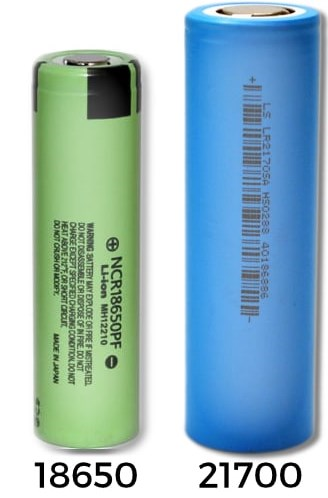
Here comes the answer:
The 21700 battery is a type of rechargeable lithium-ion battery with specific dimensions. The name "21700" is derived from its size: it has a diameter of 21mm and a length of 70mm.
These batteries are characterized by their cylindrical shape and are widely used to power various electronic devices.
The 18650 battery is a rechargeable lithium-ion battery with specific dimensions. The name "18650" is derived from its size: it has a diameter of 18mm and a length of 65mm.
These batteries are widely used to power various electronic devices due to their compact size and versatility.
The comparison between 21700 and 18650 batteries involves several key differences, each influencing their suitability for various applications. Here are the main distinctions between the two battery types:
Due to their larger size, 21700 batteries generally have a higher capacity compared to 18650 batteries. This means they can store more energy and provide longer runtimes between charges.
21700 batteries are well-suited for high-performance applications, such as electric vehicles, power tools, and high-end flashlights.
Their ability to deliver sustained power over extended periods makes them ideal for demanding tasks.
Tesla, the electric vehicle manufacturer, chose 21700 batteries for their electric vehicles, emphasizing their suitability for applications that require maximum range and performance.
The larger size allows for advancements in energy density, providing more power in a compact form factor.
The compact size and decent capacity of 18650 batteries make them versatile and suitable for a wide range of applications, from laptops and digital cameras to flashlights and electronic cigarettes.
18650 batteries are widely compatible with devices designed for this format. Many electronic devices are built to accommodate 18650 batteries, contributing to their popularity.
Generally, 18650 batteries are more cost-effective than 21700 batteries. This cost advantage makes them an attractive choice for applications where the smaller size is sufficient.
The smaller size results in a lighter weight, making 18650 batteries ideal for portable electronic devices where weight considerations are important.
21700 batteries excel in high-performance applications like electric vehicles, power tools, and high-end flashlights.
Their larger size and higher capacity make them ideal for devices that demand sustained power over extended periods, showcasing their effectiveness in pushing the boundaries of performance, as evidenced by Tesla's choice for electric vehicles.
18650 batteries, known for their versatility and compact design, are widely used in portable electronics. From laptops and digital cameras to electronic cigarettes and power banks, their smaller size and cost-effectiveness make them a popular choice.
Their widespread compatibility with various devices highlights their adaptability in meeting the power requirements of everyday electronics.
The manufacturing of 21700 batteries involves advanced processes to accommodate their larger size and higher capacity. Typically, these batteries are produced using specialized equipment and precision techniques.
The assembly includes stacking electrode layers, electrolyte injection, and precise sealing to ensure the integrity of the larger cell. The manufacturing process often incorporates cutting-edge technology to optimize energy density and performance.
The complexity of producing 21700 batteries contributes to their cost but allows for advancements in high-performance applications.
18650 batteries, with their smaller form factor, follow a more established and widespread manufacturing process. The methods involve stacking electrode layers, electrolyte injection, and sealing, much like their larger counterparts.
The manufacturing of 18650 batteries is well-established and benefits from economies of scale, resulting in a cost-effective production process.
While advancements are made to enhance efficiency, the manufacturing methods for 18650 batteries are generally more standardized and have proven reliability over time.
Generally, 21700 batteries have the potential to last longer than 18650 batteries due to their larger physical size and higher capacity.
The capacity of a battery is a measure of how much energy it can store, and larger batteries like the 21700 typically have a higher capacity compared to smaller ones like the 18650.
Because of the increased capacity, 21700 batteries can provide longer runtimes between charges in devices, assuming all other factors are equal.
This characteristic makes them well-suited for high-performance applications where extended usage without frequent recharging is essential.
However, it's essential to note that the actual performance depends on various factors, including the specific chemistry of the battery, the device's power requirements, and the efficiency of the overall system.
Additionally, advancements in battery technology may influence the longevity and performance of both 21700 and 18650 batteries.
Choosing between a 21700 and an 18650 battery depends on specific needs.
Consider 21700:
Consider 18650:
In the comparison between 21700 and 18650 batteries, there is no definitive winner, as the superiority of one over the other hinges on specific use cases and requirements.
If longer runtimes and higher capacity are paramount, the 21700 battery emerges as a compelling choice, particularly for high-performance applications like electric vehicles and power tools.
On the other hand, the 18650 battery's versatility, widespread compatibility, and cost-effectiveness make it a solid option for various consumer electronics, especially those with compact design constraints.
The decision ultimately rests on factors such as power needs, size limitations, and budget considerations.
Both battery types have their strengths, and the choice should align with the unique demands of the device or application at hand.

Disclaimer: The views and opinions expressed by individual authors or forum participants on this website do not represent the views and opinions of Chipsmall, nor do they represent Chipsmall's official policy.

share this blog to:


Chipsmall will provide you real-time product updates, limited-time deals.


Copyright © 2004-2026 Chipsmall.com All Rights Reserved.

Feedback
We appreciate your engagement with Chipsmall's products and services. Your opinion matters to us! Kindly take a moment to complete the form below. Your valuable feedback ensures that we consistently deliver the exceptional service you deserve. Thank you for being part of our journey towards excellence.